Chicago Jazz Philharmonic
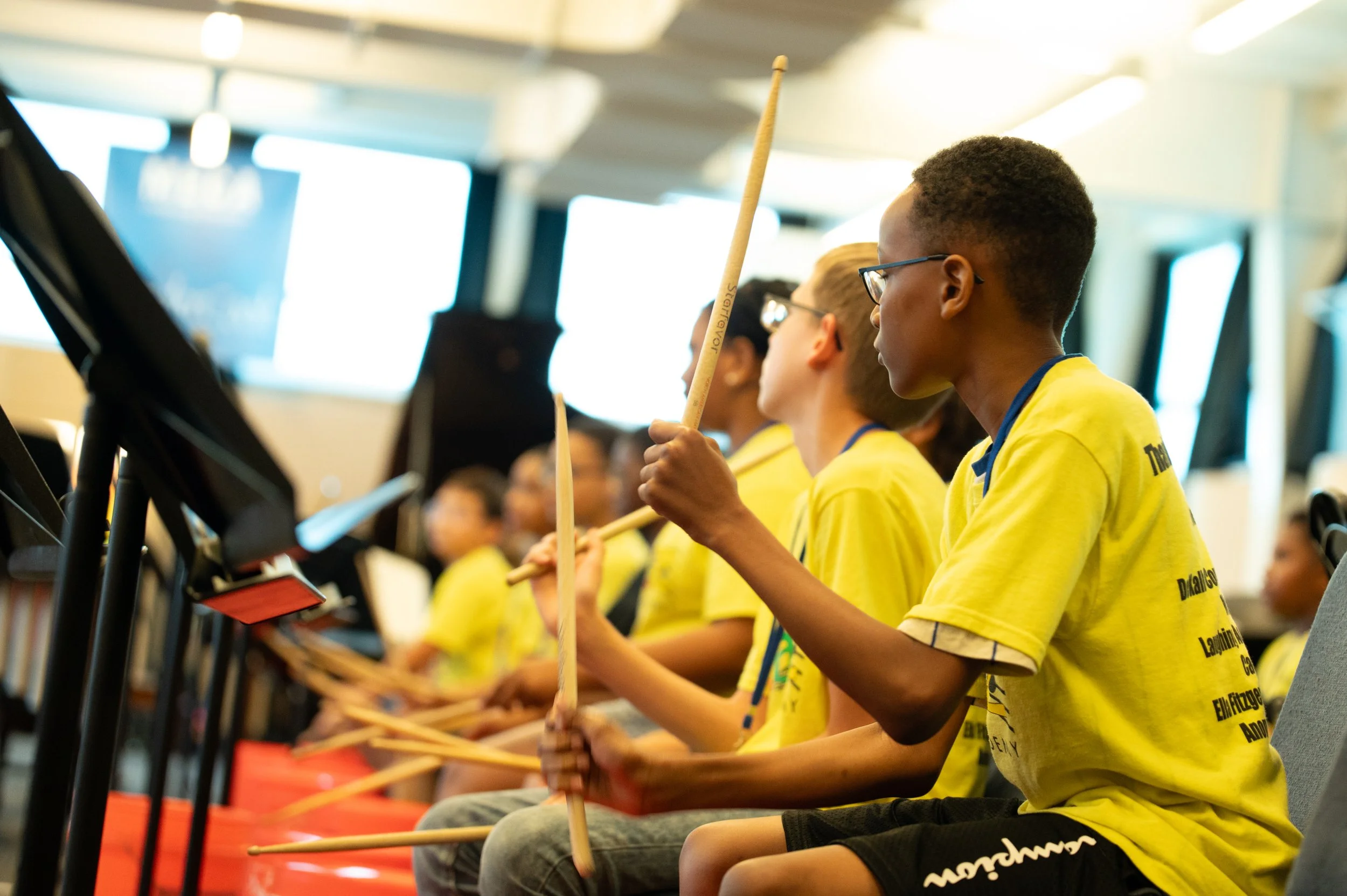
A mentor for every Jazz Academy student, six days a week.
Seven ideas, five minutes. Every one of them is buildable this year.
From Greg Spero, Chicago jazz pianist, now building software in Los Angeles.
Chicago Jazz Philharmonic
Seven ideas, five minutes. Every one of them is buildable this year.
From Greg Spero, Chicago jazz pianist, now building software in Los Angeles.
01The week
Six more days of feedback a week, and nobody on staff works an extra hour.
Today. One Saturday with a teaching artist.
With a practice mentor. Seven days.
A Jazz Academy student sees a teaching artist on Saturday, then practices alone for six days.
The mentor is there the other six.
02The mentor
Pitch and rhythm feedback on every practice session, from about $14 a student a year.
Pitch and rhythm listening is already licensable at that price (MakeMusic Cloud).
The improvising coach is the part that gets built.
Text first. Voice only if CJP wants it.
The F# is 20 cents flat. Rhythm is locked. Try it again at 80 bpm.
Ask Orbert
Listen up first. Play the bridge three times without the horn, until you can sing it. Then make the connection, the one phrase you already hear. Then act it out, and let the rest come from there.
Example screen
03The archive
Five hundred nights of you talking about this music, in one search box. About $540 to transcribe.
Example
The Real Deal archive, residency masterclasses, and Saturday rehearsals, transcribed and indexed.
About $540 to transcribe 500 three-hour shows, at $0.006 a minute.
Only if WDCB agrees the archive can be used.
04The catalog
Nineteen more $55 courses, cut from Saturdays you already teach.
A masterclass recorded once on Saturday becomes a course in days, with AI-assisted editing.
The material already exists in every Saturday masterclass.
Marcus practiced 4 days, 52 minutes. Working on: F# in the upper register.
Example screen
05The Saturday
Every teaching artist walks in knowing who practiced, who is stuck, and who is ready.
No one spends the first twenty minutes finding out.
Parents get a weekly note that CJP approves before it sends.
06The evidence
A year of home-practice numbers, in the form a district asks for before it signs.
What CJP can show today
Jazz Academy student survey, published by CJP
What one pilot year adds
Counted by the app, no one fills in a form
JazzALIVE is already inside Chicago Public Schools, and DMDL has been in Chicago classrooms since 2001.
The Jazz Academy survey numbers are the starting line. A year of home-practice data is what a district asks for next.
07Sequence
Consent at registration and a phone on a tripod this year. The mentor gets built next year.
This school year
Next year
After
Decisions that stay with CJP: kids’ data and consent, archive rights, whether any voice is ever used, and production capacity.